
If you’re searching for actionable insights on esports team management models, you’re likely looking for ways to build, structure, or scale a competitive roster that can actually win. The esports industry is evolving fast—talent development, performance analytics, sponsorship structures, and coaching systems are no longer optional extras. They’re the foundation of sustainable success.
This article breaks down the most effective esports team management models used in today’s competitive landscape, from player-centric frameworks to data-driven performance systems. You’ll discover how top teams organize leadership roles, optimize communication pipelines, integrate tech-powered analytics, and create training environments that consistently produce results.
Our insights are grounded in proven competitive strategies, hands-on gameplay optimization research, and deep analysis of high-performing esports ecosystems. Whether you’re managing a grassroots squad or building a professional roster, this guide will give you a clear, practical roadmap to structure your team for long-term dominance.
The Modern Esports Management Playbook demands more than raw mechanics. First, define roster architecture—the deliberate structuring of roles, substitutes, and practice squads to balance synergy and redundancy. While some argue talent alone wins championships, data from League of Legends Worlds shows coordinated macro play consistently outperforms star-driven chaos (Riot Games, 2023).
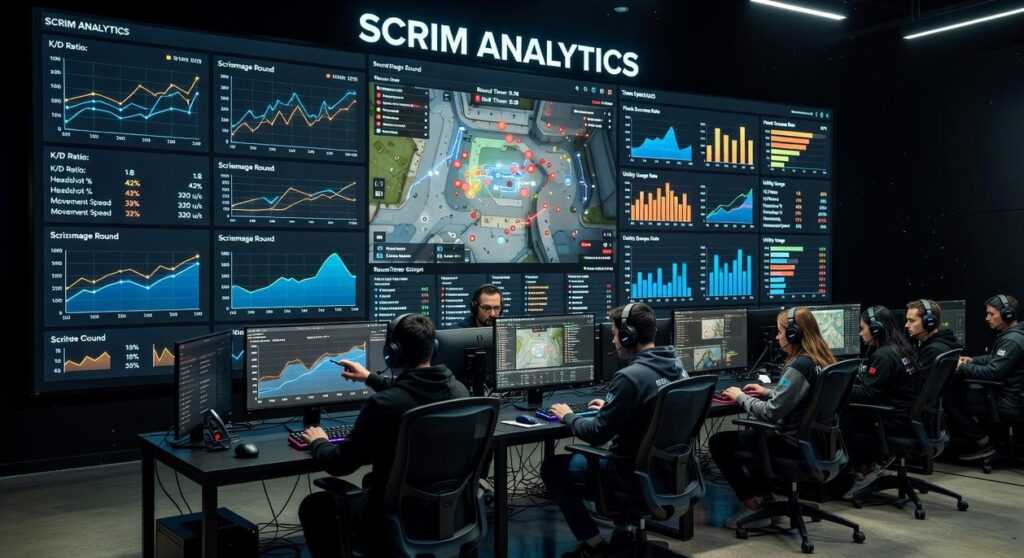
Next, integrate performance analytics dashboards that track reaction time, tilt indicators, and scrim efficiency. Unlike generic advice online, elite esports team management models embed sports psychologists and financial controllers into weekly reviews.
Finally, institutionalize burnout prevention sprints—mandatory rest cycles and cognitive resets (yes, even grinders need sleep). Pro tip.
Scouting and Roster Construction: Assembling Your Core
Raw stats are seductive. A 1.4 K/D looks like a golden ticket. But STATS VS. SITUATIONAL IMPACT tells a different story. A high-frag player who tilts under pressure can fracture a roster faster than a missed eco round. Beyond the numbers, evaluate communication clarity, adaptability, and what psychologists call team cohesion—the ability of a group to function as a unified system. (Yes, vibes matter.)
Data-Driven Recruitment
Old-school scouting relies on ranked ladders and highlight reels. Modern recruitment leverages VOD review tools and gameplay analytics platforms to track utility efficiency, trade percentages, and clutch decision trees. Think MONEYBALL vs. INSTINCT. One is repeatable and measurable; the other is gut-driven and risky. According to research from MIT’s Sloan Sports Analytics Conference, data-backed roster decisions consistently outperform intuition alone. Pro tip: track improvement curves, not just peak performance.
Defining roles is equally critical. An In-Game Leader (strategic shot-caller), Entry Fragger (first contact aggressor), and Support (utility enabler) create balance—like offense vs. defense in traditional sports.
• CLEAR ROLES PREVENT CHAOS
Finally, contracts. Flexible handshake deals vs. structured agreements? Choose structure. Define practice hours, conduct clauses, performance incentives, and buyout terms upfront. Professional esports team management models emphasize clarity because misaligned expectations derail even the most talented squads.
Optimizing Performance: The Science of Practice

Talent is flashy. Practice is what wins championships.
If you want measurable improvement, structure your scrims with intention. Too many teams grind match after match and call it “practice.” That’s not optimization—that’s repetition. Instead, divide sessions between high-level scrims and structured VOD review (video-on-demand playback analysis). For example, after facing a top-tier opponent, spend at least 30% of practice dissecting rotations, cooldown usage, and communication gaps. According to Ericsson’s research on deliberate practice, targeted review—not mindless repetition—is what drives elite performance (Ericsson et al., 1993).
Next, maximize your support staff. Coaches should focus on macro strategy and team identity, while analysts break down opponent tendencies—map preferences, timing patterns, and win conditions. Use esports team management models to clarify roles and reporting lines so feedback stays constructive instead of chaotic. Individualized player reports (think accuracy heatmaps or positioning errors) make improvement specific, not personal.
Then, integrate tech-powered tracking. Monitor:
- APM (Actions Per Minute): Measures mechanical speed and decision density
- Reaction time: Indicates cognitive sharpness under pressure
- Accuracy rates: Highlights consistency in execution
- Communication frequency: Reveals coordination gaps
Data transforms “I feel slow today” into actionable insight. Pro tip: benchmark metrics weekly, not daily, to avoid overcorrecting.
Finally, prevent burnout before it starts. The CDC links sleep deprivation to slower reaction times and impaired judgment (CDC, 2022). Implement mandatory sleep windows, balanced nutrition plans, and scheduled mental resets. Access to a sports psychologist isn’t optional at the highest levels—it’s preventative maintenance (like patching bugs before a tournament build).
In short, structure beats grind. Train smarter, measure precisely, recover intentionally—and performance follows.
Forging a Winning Culture: Communication and Cohesion
Establishing Team Identity: Most teams obsess over talent, but identity wins tournaments. A shared handbook defining values, conduct, and communication protocols clarifies expectations before pressure hits (because “we’ll figure it out” never works). For example, top League rosters script shot-calling hierarchies so late-game chaos doesn’t derail them. Pro tip: revisit the handbook quarterly to prevent drift.
Conflict Resolution Frameworks: The popular belief is that chemistry should be organic. I disagree. Structured mediation beats vibes. Using clear steps— 1. Define the issue. 2. Let each player restate the other’s view. 3. Decide on an action— prevents grudges from snowballing. This mirrors esports team management models that treat disputes like tactical reviews, not personal attacks.
Fostering Psychological Safety: Contrary to the “toughen up” mantra, research from Google’s Project Aristotle found psychological safety was the top predictor of team success. Players must critique plays without fearing ridicule (save the trash talk for stage).
Building Morale: Grinding scrims nonstop isn’t bonding. Shared workouts, strategy dinners, or even reviewing understanding tournament brackets and competitive formats together builds cohesion that translates in-game. Winning culture isn’t accidental; it’s engineered. Period. Deliberate culture outperforms raw talent over the long season grind.
The Business of Esports: Managing Operations and Brand
I still remember the first sponsorship deck I built for a small amateur roster. We thought talent alone would sell us (it didn’t). What changed? We treated it like a business.
Securing Sponsorships starts with a professional pitch deck—clear metrics, audience demographics, and defined deliverables. A pitch deck is simply a visual proposal that shows brands the return they can expect. Instead of emailing generic offers, identify partners whose values align with your team. For example, a hardware brand fits better than an energy drink if your audience loves PC optimization. Then, track impressions, clicks, and conversions to deliver measurable value.
Financial Management 101 means budgeting for salaries, travel, bootcamps (intensive training periods), and hardware upgrades. I learned quickly that ignoring small expenses sinks seasons fast.
Finally, Building a Fanbase requires consistent streams, short-form clips, and real interaction. Think less “corporate,” more community—like building your own Avengers squad. Following proven esports team management models helps balance brand growth with operational stability.
Your blueprint for esports dominance isn’t hype; it’s structure. This guide covered talent acquisition, performance optimization, team culture, and business operations. Miss one, and the roster can crumble faster than a solo queue meltdown. Managing players is HIGH PRESSURE; small mistakes echo like a bad call in a Worlds final.
By applying structured, tech-informed strategies and esports team management models, you build stability that turns talent into synergy. Think Avengers, not random heroes.
- Audit systems.
- Align incentives.
- Optimize communication.
Start today and transform skilled players into a championship-contending machine. BUILT for LONG TERM SUCCESS and LEGACY. Together.
Dominate the Competitive Edge with Smarter eSports Strategy
You came here to understand how to build stronger systems, sharpen competitive performance, and gain a real edge in today’s evolving gaming landscape. Now you have a clearer roadmap—from optimizing your rig for peak performance to implementing smarter esports team management models that drive consistency, discipline, and results.
The truth is, most players and teams struggle not because of talent—but because of poor structure, outdated strategies, and under-optimized setups. Lag, miscommunication, weak preparation, and inefficient workflows quietly sabotage potential.
That doesn’t have to be your story.
The next move is simple: start applying these frameworks immediately. Audit your current setup. Refine your training systems. Upgrade your hardware performance. Implement stronger esports team management models that create accountability and measurable growth.
If you’re serious about leveling up, don’t settle for average systems in a hyper-competitive arena. Tap into proven strategies, performance-driven optimization techniques, and battle-tested frameworks used by top-tier competitors.
Your edge is built in the details. Optimize them now—and turn your potential into wins.
 Senior Gaming Tutorials & Strategy Specialist
Marilyn Nelsoneriken has opinions about tech-powered gaming innovations. Informed ones, backed by real experience — but opinions nonetheless, and they doesn't try to disguise them as neutral observation. They thinks a lot of what gets written about Tech-Powered Gaming Innovations, World-Class eSports Frameworks, Gaming Trend Tracker is either too cautious to be useful or too confident to be credible, and they's work tends to sit deliberately in the space between those two failure modes.
Reading Marilyn's pieces, you get the sense of someone who has thought about this stuff seriously and arrived at actual conclusions — not just collected a range of perspectives and declined to pick one. That can be uncomfortable when they lands on something you disagree with. It's also why the writing is worth engaging with. Marilyn isn't interested in telling people what they want to hear. They is interested in telling them what they actually thinks, with enough reasoning behind it that you can push back if you want to. That kind of intellectual honesty is rarer than it should be.
What Marilyn is best at is the moment when a familiar topic reveals something unexpected — when the conventional wisdom turns out to be slightly off, or when a small shift in framing changes everything. They finds those moments consistently, which is why they's work tends to generate real discussion rather than just passive agreement.
Senior Gaming Tutorials & Strategy Specialist
Marilyn Nelsoneriken has opinions about tech-powered gaming innovations. Informed ones, backed by real experience — but opinions nonetheless, and they doesn't try to disguise them as neutral observation. They thinks a lot of what gets written about Tech-Powered Gaming Innovations, World-Class eSports Frameworks, Gaming Trend Tracker is either too cautious to be useful or too confident to be credible, and they's work tends to sit deliberately in the space between those two failure modes.
Reading Marilyn's pieces, you get the sense of someone who has thought about this stuff seriously and arrived at actual conclusions — not just collected a range of perspectives and declined to pick one. That can be uncomfortable when they lands on something you disagree with. It's also why the writing is worth engaging with. Marilyn isn't interested in telling people what they want to hear. They is interested in telling them what they actually thinks, with enough reasoning behind it that you can push back if you want to. That kind of intellectual honesty is rarer than it should be.
What Marilyn is best at is the moment when a familiar topic reveals something unexpected — when the conventional wisdom turns out to be slightly off, or when a small shift in framing changes everything. They finds those moments consistently, which is why they's work tends to generate real discussion rather than just passive agreement.