
Phase 1: The First 5 Minutes – Mastering the Drop and Early Game Loot
I learned this the hard way. I once dropped into the hottest zone on the map, thinking confidence alone would carry me. Ninety seconds later, I was back in the lobby. That match taught me something: the first five minutes decide everything.
Strategic Landing: Risk vs. Reward
Every drop zone sits somewhere on the spectrum:
| Drop Type | Risk Level | Loot Quality | Best For |
|---|---|---|---|
| High-Traffic POIs | Very High |
Top-tier | Aggressive, confident players |
| Mid-Tier Zones | Moderate | Balanced | Consistent early fights |
| Peripheral Areas | Low | Moderate | Safer rotations |
High-traffic areas are gear-rich locations where multiple squads land (think Tilted Towers chaos energy). The counterargument? “Hot drops build skill faster.” True. But they also end runs fast. If you’re aiming for consistent wins, controlled drops outperform highlight-reel gambles over time.
Pro tip: Track flight path patterns. Most players drop early. Late jumps often mean quieter loot paths.
The “Loot Path” Principle
Random looting wastes time. A loot path is a pre-planned route through buildings that secures a baseline kit—weapon, shields/armor, healing—within 90 seconds.
Think of it like speedrunning. Door → chest → rooftop → exit. No backtracking. (Hesitation gets you eliminated.)
This is where battle royale survival tips matter most: efficiency beats greed.
Situational Awareness
Audio cues win early fights. Vertical audio settings help you detect whether footsteps are above or below—a crucial edge in multi-story buildings. According to multiple competitive FPS player surveys, sound awareness ranks among the top three survival factors in early engagements (Newzoo Esports Reports).
Initial Rotation
Don’t linger. Once equipped, rotate intelligently toward the first safe zone. Avoid predictable roads and choke points. Early fights feel exciting—but unnecessary skirmishes often drain resources before mid-game even begins.
Phase 3: The Endgame – Dominating the Final Circle
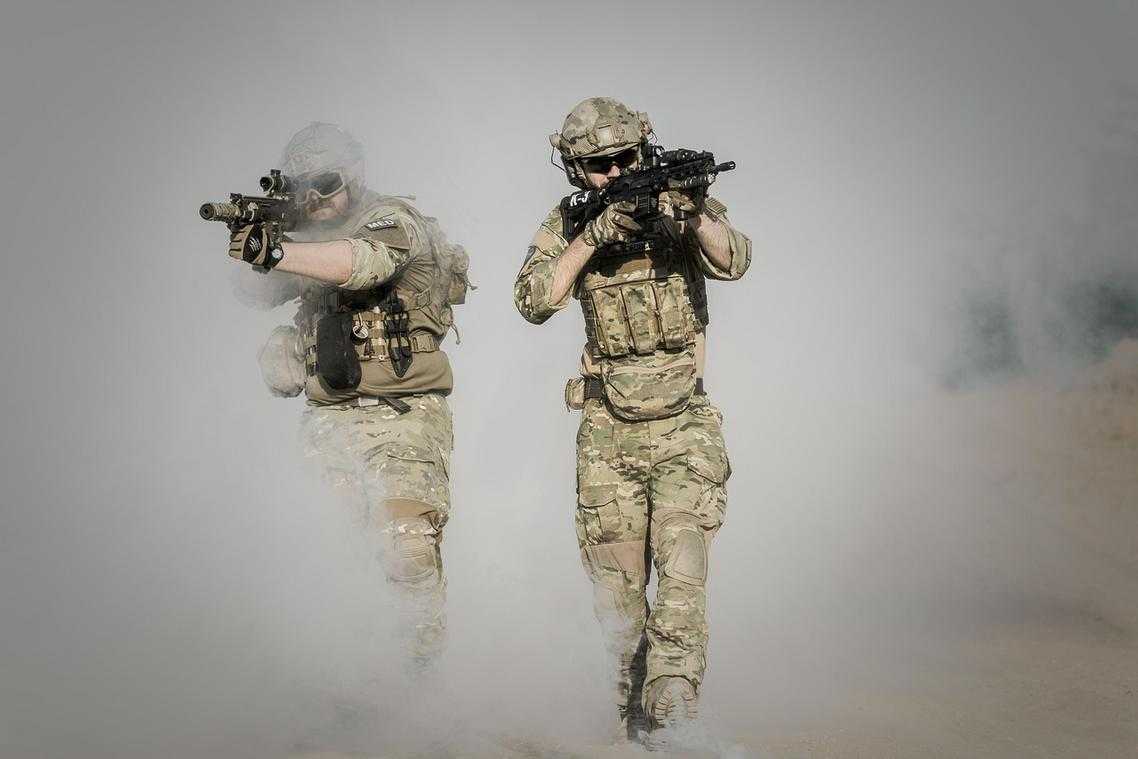
This is where lobbies shrink and heart rates spike.
Positioning Is Paramount
First, claim the power position—the spot in the final zone that gives maximum visibility and protection. That usually means high ground, hard cover (rocks, buildings, ridges), or a head glitch angle that exposes as little of your character model as possible. High ground offers superior sightlines and easier recoil control due to downward tracking (a small but real mechanical edge). Still, I’ll admit: not every final circle favors height. Sometimes low-ground hard cover beats a flashy rooftop. It depends on terrain and zone logic.
Utility Usage Wins Games
Next, remember that endgames are rarely decided by raw aim alone. Smokes block sightlines, grenades flush campers, and mobility items force unexpected angles. In fact, most battle royale survival tips stress conserving utility for the final circle—and for good reason. A well-timed smoke can split a 1v2 into isolated fights (think chess, not checkers).
Patience and Timing
However, aggression has its place. The final circle is a baiting game. Fire a few shots, reposition, then wait. Many players panic-peek (we’ve all seen it—and done it). The first mistake usually loses.
Circle Mechanics Matter
Finally, understand zone behavior. While exact algorithms aren’t always public (and sometimes feel inconsistent), patterns exist. Zones often pull away from dense cover, forcing rotations across open ground. Anticipate that movement and pre-aim likely paths.
If you’ve mastered the fundamentals in advanced fps tactics to improve accuracy and map control, this is where they compound.
Pro tip: Save at least one piece of utility for the last 10 seconds. When the circle closes fully, chaos favors the prepared.
From Survivor to Champion
You came here for more than basic battle royale survival tips. You wanted a complete, phase-by-phase blueprint that actually helps you win more matches—not just survive a little longer.
Now you have it.
Winning isn’t luck. It’s the result of eliminating variables. Smarter rotations. Cleaner engagements. Controlled resource management. When you reduce randomness and increase preparation, you stop hoping for good circles and start creating consistent endgame opportunities.
This framework works because it’s repeatable. Every match follows phases. Every phase demands specific decisions. When you approach each one with structure, pressure stops feeling chaotic—and starts feeling predictable.
Here’s your move: load into your next game with this blueprint in mind. Master Phase 1 first. Build early consistency. Watch how your positioning improves, your fights become cleaner, and your late-game confidence skyrockets.
Stop relying on luck. Start executing a system. Your next win is waiting.
 Senior Gaming Tutorials & Strategy Specialist
Marilyn Nelsoneriken has opinions about tech-powered gaming innovations. Informed ones, backed by real experience — but opinions nonetheless, and they doesn't try to disguise them as neutral observation. They thinks a lot of what gets written about Tech-Powered Gaming Innovations, World-Class eSports Frameworks, Gaming Trend Tracker is either too cautious to be useful or too confident to be credible, and they's work tends to sit deliberately in the space between those two failure modes.
Reading Marilyn's pieces, you get the sense of someone who has thought about this stuff seriously and arrived at actual conclusions — not just collected a range of perspectives and declined to pick one. That can be uncomfortable when they lands on something you disagree with. It's also why the writing is worth engaging with. Marilyn isn't interested in telling people what they want to hear. They is interested in telling them what they actually thinks, with enough reasoning behind it that you can push back if you want to. That kind of intellectual honesty is rarer than it should be.
What Marilyn is best at is the moment when a familiar topic reveals something unexpected — when the conventional wisdom turns out to be slightly off, or when a small shift in framing changes everything. They finds those moments consistently, which is why they's work tends to generate real discussion rather than just passive agreement.
Senior Gaming Tutorials & Strategy Specialist
Marilyn Nelsoneriken has opinions about tech-powered gaming innovations. Informed ones, backed by real experience — but opinions nonetheless, and they doesn't try to disguise them as neutral observation. They thinks a lot of what gets written about Tech-Powered Gaming Innovations, World-Class eSports Frameworks, Gaming Trend Tracker is either too cautious to be useful or too confident to be credible, and they's work tends to sit deliberately in the space between those two failure modes.
Reading Marilyn's pieces, you get the sense of someone who has thought about this stuff seriously and arrived at actual conclusions — not just collected a range of perspectives and declined to pick one. That can be uncomfortable when they lands on something you disagree with. It's also why the writing is worth engaging with. Marilyn isn't interested in telling people what they want to hear. They is interested in telling them what they actually thinks, with enough reasoning behind it that you can push back if you want to. That kind of intellectual honesty is rarer than it should be.
What Marilyn is best at is the moment when a familiar topic reveals something unexpected — when the conventional wisdom turns out to be slightly off, or when a small shift in framing changes everything. They finds those moments consistently, which is why they's work tends to generate real discussion rather than just passive agreement.