Everyone’s buzzing about blockchain in gaming these days, right? You hear “NFTs” and it feels like you’ve stepped into a tech circus. It’s not just noise, though.
Behind the hype, there’s substance. People are skeptical, and they should be. But what if I told you there’s more to it than fancy buzzwords?
This article aims to cut through the jargon and lay out what blockchain tech in gaming truly is. I promise you’ll get a no-fluff, player-focused breakdown. Why trust me?
I’ve got my finger on the pulse of gaming trends and tech innovations. I’ll help you understand the core concepts, the impact on your favorite hobby, and the potential future. Stick with me, and you’ll see how big this tech can be in gaming.
So, What’s the Big Deal? Blockchain in Gaming Explained
Alright, picture this. You’re playing your favorite game. Everything you’ve achieved.
Those shiny swords, rare skins (are) tucked neatly in a diary, but you can’t even read it. Only the game company holds the key. Annoying, right?
Now, blockchain flips this script.
Imagine a magic scroll. It’s public, can’t be destroyed, and needs everyone’s okay to change. That’s blockchain.
In traditional gaming, your items are like borrowed toys. Fun but not yours. Blockchain?
It’s like you owning those toys. Finally, a game-changer (pun intended).
Here’s the kicker: this magical scroll is decentralized. No single king rules over it. Instead, we, the gamers, call the shots.
It’s like a democracy, but with less boring speeches.
Why does this matter? With blockchain in gaming, your in-game assets are truly yours. Trade them, sell them, or just flaunt them.
It’s a shift from the companies hogging control to you having real ownership.
Does all this sound a bit too sci-fi? Honestly, it is a tad futuristic, but it’s happening. And quickly.
This change is as big as the leap from simple platform games to augmented reality new gaming dimensions. It’s a brave new world, folks. And we’re just getting started.
So, what’s your take? Ready to own your game universe or still okay with that old diary?
The New Power-Ups: 3 Ways Blockchain is Changing the Game
Let’s get real about blockchain in gaming. It’s reshaping the way we think about digital ownership and play. Forget the buzzwords; to the juicy bits.
First off, True Digital Ownership. Sounds flashy, right? But it’s all about Non-Fungible Tokens, or NFTs.
These are like unique digital receipts for your in-game treasures. Imagine snagging a legendary sword or a rare skin. It’s yours on the blockchain.
You can prove you own it, trade it, or even use it in other games that are on board with the tech. It’s not just about showing off; it’s about real ownership. Got that?
Next, we have Play-and-Earn. Let’s drop the ‘Play-to-Earn’ drama for a moment. Play-and-Earn flips the script.
It’s not about pay-to-win nonsense. Here, your skills can actually pay off. Your gaming time can earn you cryptocurrency or NFTs.
And let’s be honest, who doesn’t want to get something back for their time and effort? It’s not just a gimmick. It’s a genuine way to convert playtime into real-world value.
Now, for the exciting part: Player-Driven Worlds & Economies. Say hello to Decentralized Autonomous Organizations, or DAOs. Think of them as a player council where token holders get to vote on what happens next in the game.
Updates, new features, even economic tweaks (the) players have a voice. It’s breaking the old model where developers dictated everything. Finally, gamers can steer the ship a bit.
About time, right?
But hey, not everyone’s convinced. Critics say blockchain tech is just a fad (or worse, a scam). They worry about speculative bubbles or environmental issues with crypto mining.
Fair points, though I’d argue the tech has evolved. Look at how it enhances player engagement and offers genuine benefits. Plus, new solutions are addressing those concerns.
So, is blockchain the future of gaming? I think so. It’s giving power back to players.
But don’t just take my word for it. Dig deeper into how it works and see if you agree. Maybe it’s not perfect yet, but it’s shaking things up in an interesting way.
And that’s a win in my book.
Press Start: Real Examples of Blockchain Gaming in Action
Theory is cool, but seeing tech in action? Way better. to some examples of how blockchain in gaming is transforming play.
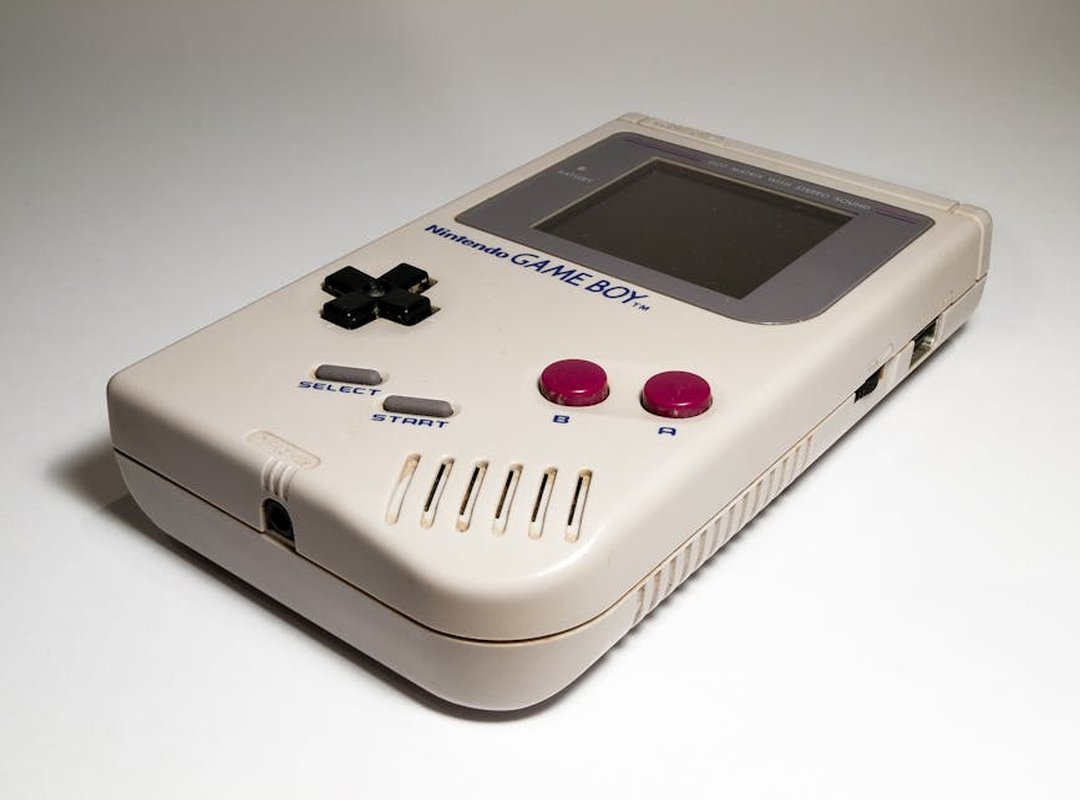
First up, a collectible card game. Remember Pokémon cards? Imagine each card as an NFT, owning a piece of digital art that’s as real as holding a Charizard.
Players can truly call their collections their own. No takebacks.
Players can trade these NFT cards on a blockchain, ensuring authenticity and rarity. It’s like your childhood card trading, but with a digital twist. This makes each transaction transparent and secure.
Next, let’s talk about land. Not real land, but virtual plots in a metaverse or world-builder game. Picture this: you buy a parcel of digital land as an NFT.
You can build whatever your imagination dreams up and even monetize it. It’s a player-run virtual economy where ownership is king. These plots can be sold, rented, or developed just like in the real world.
This adds a layer of plan and investment to gaming that’s never been seen before.
You might wonder, is this just a fad? Well, the integration of blockchain in these games shows a shift in how we perceive ownership and trade in digital worlds. It’s not just a game anymore; it’s a market, a community, and for some, a livelihood.
It’s like combining Minecraft with Wall Street. If you’re curious about how tech like AI is revolutionizing games further, check out revolutionizing gaming ai technology.
These examples highlight the exciting and tangible changes blockchain brings to gaming, making it more than just a hobby. It’s a new way to play, trade, and own.
The Next Level and the Final Bosses: Challenges & The Future
Let’s face it, blockchain in gaming isn’t perfect yet. It’s like playing a game with glitches that need fixing. You’ve got gas fees (the ‘cost’ of making a transaction) biting into your wallet, and it’s annoying.
Then there’s the user experience. Wallets can feel clunky, like trying to fit a square peg in a round hole. And oh, the ‘fun factor’.
Some early games were about as fun as a root canal.
Now, what about the future? things get exciting. Emerging solutions are like the power-ups we need. Layer-2 blockchains aim to make transactions faster and cheaper, which is frankly needed.
Imagine a world where players don’t even realize they’re using blockchain. They’ll just be enjoying their game, collecting loot, and leveling up.
Pro tip: Keep an eye on these developments. The tech is evolving, promising to integrate seamlessly into our lives. It’s all about creating an environment where players can focus on fun and competition, with the tech working slowly in the background.
So, while we deal with current issues, let’s look forward to a future where the gaming world is transformed for the better. Exciting times ahead!
Dive Into the Future of Gaming
Feeling lost in the world of blockchain in gaming? I get it. It’s a maze out there.
But here’s the deal: this new tech is about giving you, the player, real ownership. Confused? Don’t be.
This article is your map. With blockchain, your time and game items gain real-world value. Imagine playing not just for fun, but for tangible rewards.
Ready to level up? Dive deeper into gaming innovations with us. Explore, experiment, and embrace this new world.
Your adventure begins now. Why wait? Jump in and discover where your gaming journey takes you next!
 Founder & Chief Technology Strategist
Sylric Norricson is the kind of writer who genuinely cannot publish something without checking it twice. Maybe three times. They came to tech-powered gaming innovations through years of hands-on work rather than theory, which means the things they writes about — Tech-Powered Gaming Innovations, Gaming Rig Optimization Hacks, World-Class eSports Frameworks, among other areas — are things they has actually tested, questioned, and revised opinions on more than once.
That shows in the work. Sylric's pieces tend to go a level deeper than most. Not in a way that becomes unreadable, but in a way that makes you realize you'd been missing something important. They has a habit of finding the detail that everybody else glosses over and making it the center of the story — which sounds simple, but takes a rare combination of curiosity and patience to pull off consistently. The writing never feels rushed. It feels like someone who sat with the subject long enough to actually understand it.
Outside of specific topics, what Sylric cares about most is whether the reader walks away with something useful. Not impressed. Not entertained. Useful. That's a harder bar to clear than it sounds, and they clears it more often than not — which is why readers tend to remember Sylric's articles long after they've forgotten the headline.
Founder & Chief Technology Strategist
Sylric Norricson is the kind of writer who genuinely cannot publish something without checking it twice. Maybe three times. They came to tech-powered gaming innovations through years of hands-on work rather than theory, which means the things they writes about — Tech-Powered Gaming Innovations, Gaming Rig Optimization Hacks, World-Class eSports Frameworks, among other areas — are things they has actually tested, questioned, and revised opinions on more than once.
That shows in the work. Sylric's pieces tend to go a level deeper than most. Not in a way that becomes unreadable, but in a way that makes you realize you'd been missing something important. They has a habit of finding the detail that everybody else glosses over and making it the center of the story — which sounds simple, but takes a rare combination of curiosity and patience to pull off consistently. The writing never feels rushed. It feels like someone who sat with the subject long enough to actually understand it.
Outside of specific topics, what Sylric cares about most is whether the reader walks away with something useful. Not impressed. Not entertained. Useful. That's a harder bar to clear than it sounds, and they clears it more often than not — which is why readers tend to remember Sylric's articles long after they've forgotten the headline.