If you’re searching for a clear breakdown of how competitive gaming is organized, this guide to esports league structure is exactly what you need. Whether you’re an aspiring pro, a team manager, or a serious fan trying to understand how tournaments connect, league systems can feel confusing without the right context.
This article explains how modern esports leagues are built—from open qualifiers and franchised systems to regional divisions, seasonal splits, and international championships. You’ll learn how teams advance, how revenue models differ, and how competitive formats impact long-term stability and player development.
Our insights are based on in-depth analysis of major global tournaments, evolving competitive frameworks, and proven performance systems used across top-tier titles. By the end, you’ll have a practical understanding of how structured competition works in esports—and how that structure shapes opportunities, strategy, and success at every level of play.
Beyond the Players: The Blueprint of an Esports Dynasty
Fans see the five starters on stage at Berlin’s LEC studio or Seoul’s LoL Park, but a title run is engineered backstage. Modern dynasties rely on an esports league structure that mirrors sports front offices.
- General managers negotiate buyouts and navigate salary caps.
- Performance coaches translate scrim data into stage-ready tactics.
- Sports psychologists manage tilt before it snowballs (yes, solo-queue rage is real).
Critics argue mechanics still win tournaments. Mechanics matter. Yet without analysts parsing VODs, nutritionists optimizing, and operations staff handling patch-day logistics, talent stalls. Championships are organizational, not accidental.
The Front Line: Player Roster and In-Game Leadership
A competitive roster is split between the core lineup and substitutes. The starting five (or more, depending on the title) execute primary strategies, while bench players provide tactical depth, burnout relief, and meta-specific flexibility. In the 2023 League of Legends World Championship, multiple teams rotated substitutes during group stages to counter niche drafts—proof that depth wins tournaments.
The In-Game Leader (IGL) or captain acts as the real-time decision engine. While coaches prepare strategy beforehand, the IGL adapts mid-round—calling rotates in CS:GO or objective trades in League of Legends. Studies on team cognition in esports show coordinated shot-calling measurably improves reaction time and win probability (University of Chichester, 2021).
Specialized roles shape composition:
- AWPer (CS:GO): Controls sightlines and secures opening picks.
- Support (League of Legends): Enables carries through vision and protection.
Beyond matches, players commit to VOD review, structured scrims, and media duties—requirements embedded in modern esports league structure. (Yes, practice often exceeds match time.)
The Strategic Command: Coaching and Analytical Staff
Behind every championship roster is a strategic command center that most fans never see.
Head Coach: Think of this role as the architect of the team’s identity. The head coach designs macro strategy (the big-picture game plan), studies opponent tendencies, manages personalities, and leads draft or map veto decisions. In a structured esports league structure, this role also aligns weekly prep with league standings and playoff implications. Some argue that star players can “self-lead” without heavy coaching. That may work in ranked play, but at the professional level, uncoordinated decision-making gets exposed fast. A strong head coach turns chaos into clarity.
Assistant/Positional Coach(es): These coaches zoom in on micro mechanics—crosshair placement, utility timing, movement efficiency. A VALORANT “pistol round” coach, for example, might drill optimal buy paths and positioning scenarios. Micro refers to small, repeatable in-game actions that compound over time. (Yes, it’s the esports version of practicing free throws.) Pro tip: Track improvement with measurable benchmarks like headshot percentage over a two-week scrim block.
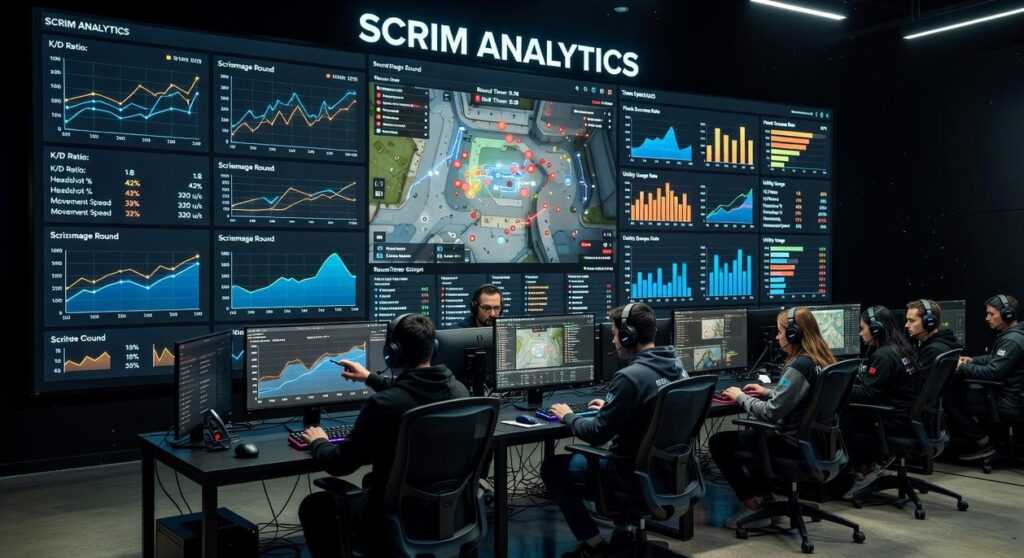
Data Analyst: The quantitative backbone. Analysts transform scrim logs and match stats into actionable insights—heat maps, economy efficiency ratings, clutch success rates. Some skeptics say numbers can’t capture momentum. True—but when paired with VOD review, data sharpens instincts rather than replacing them. Think “Moneyball,” but with better ping.
The Executive Engine: Management and Operations
Behind every winning roster is a tightly run executive core (the part fans rarely see, but always feel).
General Manager (GM)
The GM is the strategic architect of the division. They oversee player contracts, negotiate transfers, manage salary caps, and align roster decisions with long-term goals. In a modern esports league structure, where franchising fees, revenue sharing, and performance incentives shape competition, the GM ensures financial sustainability while staying competitive. A well-negotiated contract isn’t just paperwork—it protects intellectual property, secures buyout clauses, and prevents costly disputes. That’s the difference between a dynasty and a rebuild year.
Team Manager
If the GM sets direction, the Team Manager executes daily precision. Travel bookings, scrim schedules, bootcamp logistics, meal planning, and player welfare all fall under their scope. By removing friction—missed flights, visa delays, equipment gaps—they protect player focus. Think of them as mission control (because even minor turbulence can derail performance).
Financial and Legal Support
Dedicated specialists handle prize pool distribution, tax compliance, visa processing, and league rule adherence. This reduces regulatory risk and safeguards earnings. For organizations serious about scale, investing in compliance infrastructure isn’t optional—it’s foundational.
For a deeper operational blueprint, explore building a sustainable esports team management and training models.
The Performance Framework: Human Optimization and Support
Sports Psychologist: Often overlooked in competitive gaming, a licensed sports psychologist addresses burnout, performance anxiety, and team conflict. According to the American Psychological Association, structured mental skills training improves focus and stress regulation in high pressure environments. In League of Legends and CS2 tournaments, players face reaction windows measured in milliseconds, so coping tools like visualization and controlled breathing are competitive advantages.
Nutritionist & Physical Trainer: Esports athletes report high rates of repetitive strain injuries, with studies in the British Journal of Sports Medicine noting wrist and back pain prevalence above 40%. Targeted strength training, posture correction, and anti inflammatory nutrition plans help improve endurance during long tournament days.
Content & Social Media Team: Brand equity directly impacts sponsorship revenue, and Nielsen reports that engaged fanbases drive higher partnership value. In a formal esports league structure, consistent storytelling strengthens loyalty and sponsor retention.
Core Support Pillars:
- Mental resilience systems
- Injury prevention protocols
- Audience growth strategy
Together, these roles transform talented gamers into sustainable, data backed performers. Skeptics argue raw skill alone wins, but championship case studies repeatedly show infrastructure separates finalists from champions. Evidence consistently supports this integrated approach today.
The Integrated Machine: How a Modern Team Wins
Here’s my take: raw talent is overrated. Yes, a superstar can clutch a game. But championships? They’re engineered. A modern roster functions like a precision-built engine, and without structure, even the flashiest parts burn out.
Individual skill wins highlight reels (hello, last-second hero plays worthy of a Netflix docuseries). But sustainable dominance comes from infrastructure. In today’s esports league structure, organizations mirror traditional sports franchises with layered systems designed for repeatable success.
Coaching refines decision-making under pressure.
Analysts translate gameplay into data-driven adjustments.
Management ensures stability behind the scenes.
Player wellness programs prevent burnout—a very real issue recognized by the World Health Organization as part of gaming disorder discussions (WHO, 2019).
Some argue this level of structure overcomplicates gaming. I disagree. Complexity is the point. High performance demands it.
If you’re serious—player, manager, or fan—start seeing teams as ecosystems, not squads. That mindset shift changes everything.
Mastering Competitive Play Starts Now
You came here to understand how to sharpen your competitive edge, optimize your setup, and truly grasp how the modern esports league structure shapes the way you train and compete. Now you have the blueprint.
The difference between casual play and consistent wins isn’t just talent — it’s structure, strategy, and smart optimization. If you’ve ever felt stuck in ranked ladders, frustrated by inconsistent performance, or unsure how competitive systems actually work, that pain point is real. And it’s fixable.
The players who rise fastest are the ones who treat gaming like a system: refined mechanics, optimized rigs, structured practice, and a clear understanding of how competitive ecosystems operate. When you align your gameplay with how leagues, brackets, and performance tiers are designed, you stop guessing — and start progressing.
Now it’s your move.
Dive deeper into advanced strategies, optimize your gaming rig for peak performance, and apply proven competitive frameworks that top players rely on. Thousands of competitive gamers already use our battle-tested tutorials and optimization hacks to level up faster.
Stop grinding blindly. Start training strategically. Jump into the next guide and turn your competitive potential into measurable results today.
 Senior Gaming Tutorials & Strategy Specialist
Marilyn Nelsoneriken has opinions about tech-powered gaming innovations. Informed ones, backed by real experience — but opinions nonetheless, and they doesn't try to disguise them as neutral observation. They thinks a lot of what gets written about Tech-Powered Gaming Innovations, World-Class eSports Frameworks, Gaming Trend Tracker is either too cautious to be useful or too confident to be credible, and they's work tends to sit deliberately in the space between those two failure modes.
Reading Marilyn's pieces, you get the sense of someone who has thought about this stuff seriously and arrived at actual conclusions — not just collected a range of perspectives and declined to pick one. That can be uncomfortable when they lands on something you disagree with. It's also why the writing is worth engaging with. Marilyn isn't interested in telling people what they want to hear. They is interested in telling them what they actually thinks, with enough reasoning behind it that you can push back if you want to. That kind of intellectual honesty is rarer than it should be.
What Marilyn is best at is the moment when a familiar topic reveals something unexpected — when the conventional wisdom turns out to be slightly off, or when a small shift in framing changes everything. They finds those moments consistently, which is why they's work tends to generate real discussion rather than just passive agreement.
Senior Gaming Tutorials & Strategy Specialist
Marilyn Nelsoneriken has opinions about tech-powered gaming innovations. Informed ones, backed by real experience — but opinions nonetheless, and they doesn't try to disguise them as neutral observation. They thinks a lot of what gets written about Tech-Powered Gaming Innovations, World-Class eSports Frameworks, Gaming Trend Tracker is either too cautious to be useful or too confident to be credible, and they's work tends to sit deliberately in the space between those two failure modes.
Reading Marilyn's pieces, you get the sense of someone who has thought about this stuff seriously and arrived at actual conclusions — not just collected a range of perspectives and declined to pick one. That can be uncomfortable when they lands on something you disagree with. It's also why the writing is worth engaging with. Marilyn isn't interested in telling people what they want to hear. They is interested in telling them what they actually thinks, with enough reasoning behind it that you can push back if you want to. That kind of intellectual honesty is rarer than it should be.
What Marilyn is best at is the moment when a familiar topic reveals something unexpected — when the conventional wisdom turns out to be slightly off, or when a small shift in framing changes everything. They finds those moments consistently, which is why they's work tends to generate real discussion rather than just passive agreement.