
If you’re searching for a streaming gameplay guide that actually improves your performance, setup, and viewer experience at the same time, you’re in the right place. Streaming today isn’t just about going live — it’s about optimizing your rig, sharpening your strategy, and using the right tech to stand out in an increasingly competitive space.
Many gamers struggle with dropped frames, low engagement, or inconsistent performance without realizing that small technical adjustments and smarter gameplay frameworks can completely transform results. This article breaks down practical optimization hacks, competitive strategies, and performance-focused setups designed to help both aspiring and experienced streamers level up.
Our insights are built on hands-on testing, competitive gameplay analysis, and proven eSports performance frameworks. We’ve examined real-world streaming setups, performance metrics, and in-game strategy execution to ensure every recommendation is actionable.
By the end, you’ll know exactly how to optimize your system, elevate your gameplay, and stream with confidence.
Start Before You’re Ready
Going live feels intimidating; however, I believe waiting for “perfect” gear is the fastest way to quit. In my experience, momentum beats polish every time. This streaming gameplay guide is about action, not excuses.
First, focus on essentials:
- Reliable internet (stability over raw speed)
- Clear microphone audio
- Simple, readable overlays
Next, refine your niche. Although variety streaming sounds fun, audiences follow clarity. Pick one core game and master it.
Finally, talk constantly. Silence kills streams. Even if no one’s chatting yet, narrate decisions like a sports commentator. Over time, consistency compounds. Results take patience and grit.
The Command Center: Optimizing Your Rig and Software for Flawless Broadcasts
Let’s start with the obvious: your PC isn’t the whole show. It’s the engine, sure—but without the right peripherals, your stream feels like a Zoom call from 2012 (and not in a nostalgic way).
Essential Hardware Beyond the PC
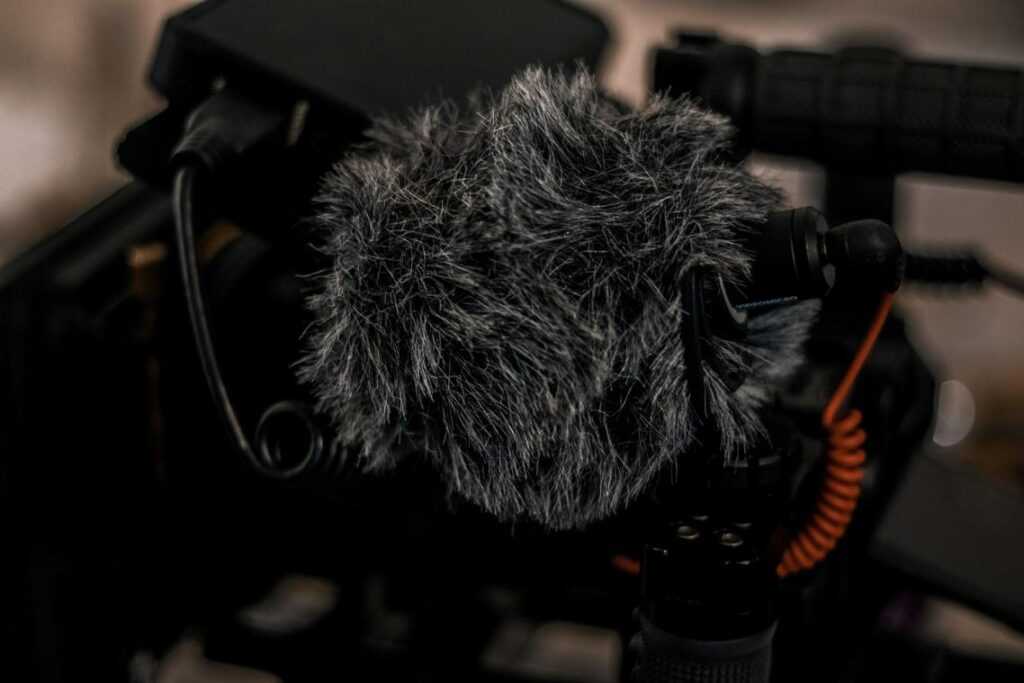
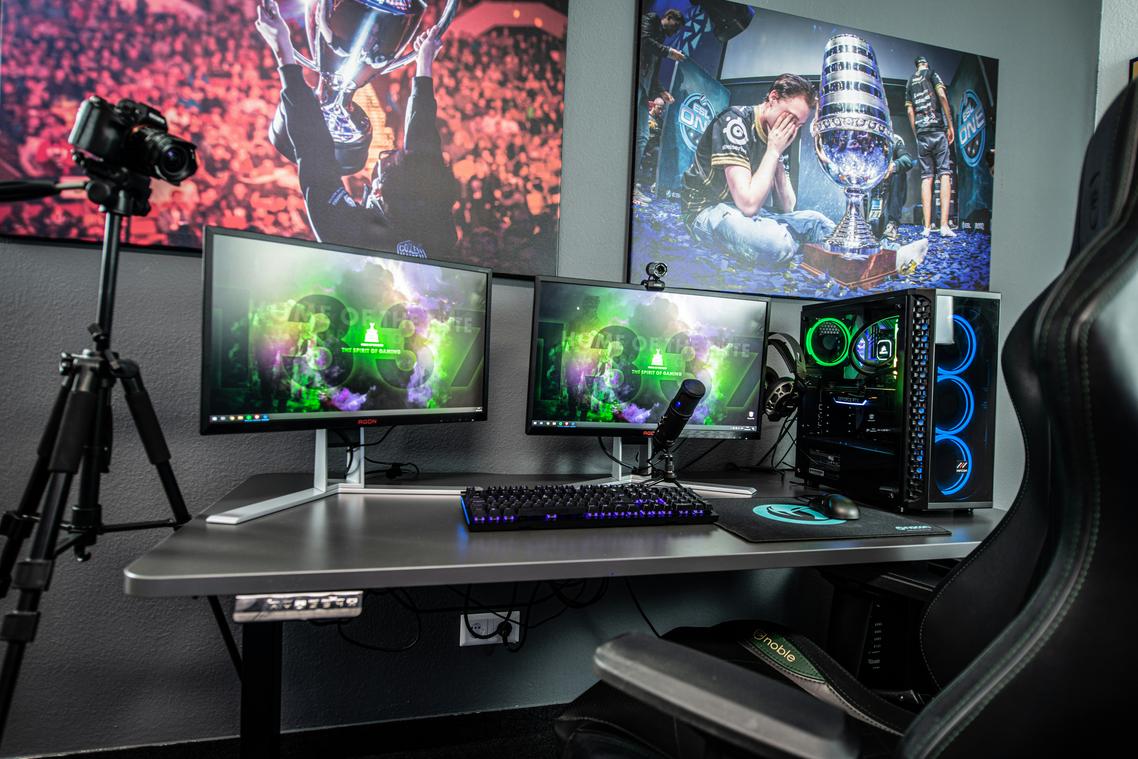
A solid USB microphone (like a cardioid mic, which captures sound mainly from the front) instantly upgrades clarity. Entry-level? A Blue Yeti works. Mid-range? XLR mic plus audio interface. Pro tier? Studio condenser with acoustic treatment. For video, a 1080p webcam is fine—but mirrorless cameras deliver that crisp “is this Twitch or Netflix?” vibe. Add softbox lighting or a ring light to eliminate harsh shadows. (Pro tip: lighting matters more than camera specs.)
PC Optimization Hacks
Now, onto performance. Streaming and gaming simultaneously is like juggling flaming swords—possible, but risky without balance. GPU encoding (NVENC) uses your graphics card to handle stream compression, freeing your CPU. CPU encoding (x264) can offer sharper quality but eats processing power. According to NVIDIA, modern NVENC has minimal in-game FPS impact compared to CPU-heavy encoding. Close background apps, enable Game Mode, and cap in-game FPS to prevent frame drops.
Choosing Your Broadcasting Software
OBS Studio is free, open-source, and endlessly customizable. Streamlabs offers built-in alerts and overlays (great for beginners). Scenes (visual layouts) and sources (camera, mic, gameplay) should be cleanly organized. Balance audio using mixers—your mic should peak around -6 dB.
Network Stability Checklist
Finally, test upload speed. For 1080p at 60fps, aim for 6 Mbps bitrate (Twitch guidelines). Use Ethernet, restart your router weekly, and run packet loss tests. Follow this streaming gameplay guide, and your broadcast won’t crumble mid-boss fight.
Beyond Gameplay: Crafting a Stream Viewers Can’t Ignore
Most streamers think success starts with the game.
It doesn’t.
It starts with positioning.
Finding Your Niche
A niche is your distinct angle in a crowded market. Thousands can play the same title. Few can present it the same way. Maybe you’re a high-ELO tactician breaking down frame data. Maybe you’re the chaotic gremlin who somehow wins while monologuing like a Marvel villain. Both work.
Here’s the contrarian take: you don’t need to be elite. In fact, TwitchTracker data shows most partnered streamers aren’t top-ranked competitors (TwitchTracker, 2024). Skill attracts. Personality retains.
Ask yourself: What do viewers get from you they can’t get elsewhere?
The Art of Interaction
Engagement isn’t “reading chat when you die.” It’s designing participation.
Use:
- Open-ended questions (“What build should we try next?”)
- Channel point redemptions that affect gameplay
- Recurring inside jokes (community glue in disguise)
An inside joke is shared language built over time. It turns strangers into regulars. (Think less “audience,” more “group chat that never sleeps.”)
Hot take: Constant hype is exhausting. Quiet, meaningful replies build stronger loyalty than shouting every username.
Structuring Your Stream
Structure creates anticipation. A predictable framework reduces cognitive friction for viewers (Nielsen Norman Group, 2023).
Try:
- A consistent go-live ritual
- Mid-stream segments like “Lore Corner” or “Rage-Review Replay”
- A signature sign-off phrase
Predictable doesn’t mean boring. It means reliable.
Pro tip: Tease tomorrow’s content before ending. Retention compounds.
Tech-Powered Engagement
Overlays, alerts, and chatbots aren’t decoration. They’re feedback systems. A well-timed alert animation reinforces viewer action. Poll widgets transform passive watching into collaboration.
And if you’re repurposing highlights, mastering how to edit gaming videos for youtube and social media is non-negotiable.
A strong streaming gameplay guide teaches mechanics. A great stream builds culture.
One entertains.
The other becomes unmissable.
Growth and Monetization: Level Up Your Channel’s Reach and Revenue
Growth on Twitch or YouTube isn’t luck—it’s leverage. And leverage comes from smart positioning.
Multi-Platform Strategy: Clips vs. Full Streams
Think of short-form content as your trailer, not the movie. TikTok, YouTube Shorts, and Reels reward discoverability; live streams reward depth. In other words, Shorts = reach, Streams = retention.
Post high-impact highlights—clutch wins, hilarious fails, or bold hot takes—and funnel viewers back to your channel. According to HubSpot (2024), short-form video delivers the highest ROI of any social format. That’s not hype—that’s distribution power.
Some argue that splitting focus hurts stream quality. Fair point. However, one well-edited 30-second clip can outperform hours of live discovery (and takes less time than grinding ranked).
Pro tip: Add captions. 80% of social video is watched without sound (Verizon Media).
Networking the Right Way: Collaboration vs. Clout-Chasing
You can spam links—or build relationships. Only one works long term.
Hosting and raiding similar-sized creators creates mutual growth. Collaboration streams introduce you to warm audiences. By contrast, random self-promotion feels like interrupting someone else’s party (and nobody likes that guest).
Join communities. Offer value. Think long game.
The Monetization Ladder: Affiliate vs. Partner
Affiliate unlocks subs and bits. Partner unlocks higher revenue splits and sponsorship credibility.
Subscriptions = recurring income.
Bits/Donations = impulse support.
Sponsorships = negotiated payouts.
Don’t chase sponsors at 10 average viewers. Brands look for consistency and engagement first.
Understanding Your Analytics
Average Viewers measure retention.
Chat Engagement shows community health.
Follower Growth signals reach.
If clips spike followers but not viewers, adjust content. If chat’s active, double down on that format.
Treat your channel like a streaming gameplay guide—test, measure, optimize, repeat.
Your Next Stream: Putting the Strategy into Action
You now have the complete framework to launch and grow a successful gaming stream.
The initial challenge of being just another gamer online has been replaced with a clear, actionable plan.
As one creator told me, “I stopped guessing and started executing.”
Meanwhile, a viewer said, “We stayed because you had direction.”
This strategy works because it blends technical optimization with community insight, much like a streaming gameplay guide brought to life.
So now, pick one tactic, press go live, and test it immediately.
As they say, “Done beats perfect.” Your move.
Level Up Your Game With a Smarter Strategy
You came here to sharpen your edge—and now you have the insights to do exactly that. From smarter optimization tweaks to competitive-ready tactics, you’ve seen how the right systems and strategies can transform inconsistent performance into smooth, winning gameplay.
The truth is, most gamers struggle with lag, poor optimization, and plateaued skills. That frustration holds you back from ranking higher, streaming smoother, and competing at your full potential. You don’t need more guesswork—you need proven systems that work.
Take action today. Dive deeper into a streaming gameplay guide built to eliminate performance bottlenecks, refine your mechanics, and give you the competitive edge serious players rely on. Join thousands of gamers already upgrading their setups and dominating their lobbies with expert-backed frameworks.
Your next win starts with smarter optimization and sharper strategy. Don’t settle for average—upgrade your gameplay now.
 Senior Gaming Tutorials & Strategy Specialist
Marilyn Nelsoneriken has opinions about tech-powered gaming innovations. Informed ones, backed by real experience — but opinions nonetheless, and they doesn't try to disguise them as neutral observation. They thinks a lot of what gets written about Tech-Powered Gaming Innovations, World-Class eSports Frameworks, Gaming Trend Tracker is either too cautious to be useful or too confident to be credible, and they's work tends to sit deliberately in the space between those two failure modes.
Reading Marilyn's pieces, you get the sense of someone who has thought about this stuff seriously and arrived at actual conclusions — not just collected a range of perspectives and declined to pick one. That can be uncomfortable when they lands on something you disagree with. It's also why the writing is worth engaging with. Marilyn isn't interested in telling people what they want to hear. They is interested in telling them what they actually thinks, with enough reasoning behind it that you can push back if you want to. That kind of intellectual honesty is rarer than it should be.
What Marilyn is best at is the moment when a familiar topic reveals something unexpected — when the conventional wisdom turns out to be slightly off, or when a small shift in framing changes everything. They finds those moments consistently, which is why they's work tends to generate real discussion rather than just passive agreement.
Senior Gaming Tutorials & Strategy Specialist
Marilyn Nelsoneriken has opinions about tech-powered gaming innovations. Informed ones, backed by real experience — but opinions nonetheless, and they doesn't try to disguise them as neutral observation. They thinks a lot of what gets written about Tech-Powered Gaming Innovations, World-Class eSports Frameworks, Gaming Trend Tracker is either too cautious to be useful or too confident to be credible, and they's work tends to sit deliberately in the space between those two failure modes.
Reading Marilyn's pieces, you get the sense of someone who has thought about this stuff seriously and arrived at actual conclusions — not just collected a range of perspectives and declined to pick one. That can be uncomfortable when they lands on something you disagree with. It's also why the writing is worth engaging with. Marilyn isn't interested in telling people what they want to hear. They is interested in telling them what they actually thinks, with enough reasoning behind it that you can push back if you want to. That kind of intellectual honesty is rarer than it should be.
What Marilyn is best at is the moment when a familiar topic reveals something unexpected — when the conventional wisdom turns out to be slightly off, or when a small shift in framing changes everything. They finds those moments consistently, which is why they's work tends to generate real discussion rather than just passive agreement.