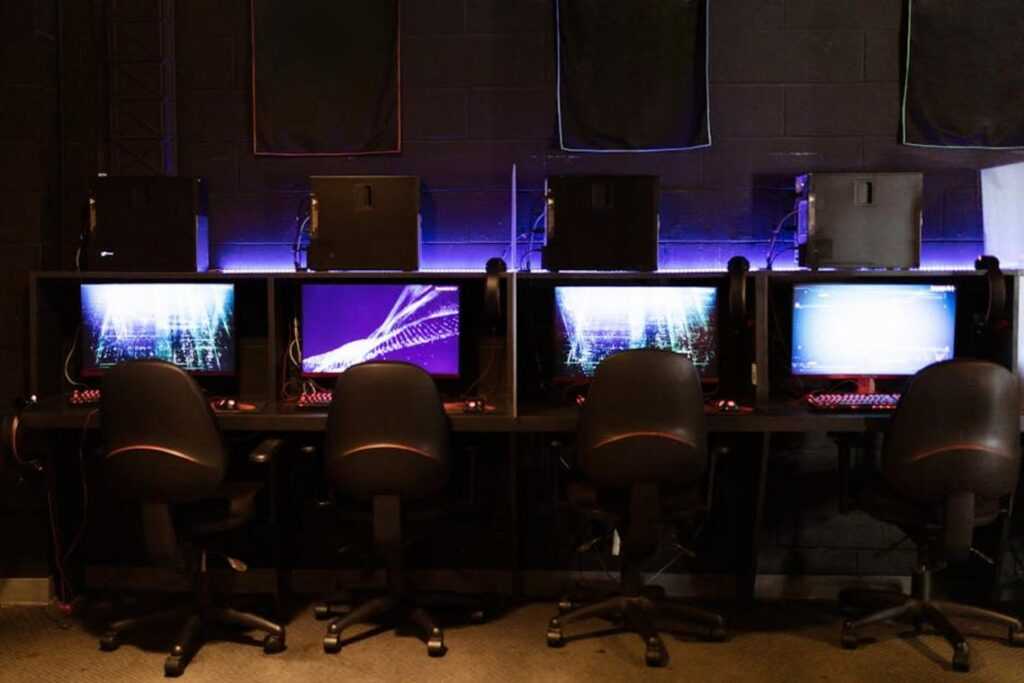

I’ve played and tested more games this year than I care to admit.
You’re probably tired of seeing the same titles hyped up everywhere. Another awards show. Another popularity contest. Another list that tells you nothing about whether a game is actually worth your time.
Here’s what this article does differently: I’m breaking down what makes a game truly great. Not what’s trending on social media. Not what sold the most copies.
I’m talking about technical performance. Strategic depth. The kind of optimization that makes you wonder how the developers pulled it off.
I spent hundreds of hours benchmarking these games. Testing mechanics. Pushing systems to their limits to see what breaks and what holds up.
This is the Uggworldtech Games of the Year analysis. Not a popularity vote.
You came here looking for the best game of 2024. I’m giving you an answer backed by real testing and expert analysis of what actually matters when you’re deciding where to spend your money.
We’ll look at performance metrics, innovation that changed how we play, and gameplay that keeps you coming back.
No fluff. No hype. Just the games that pushed the industry forward this year.
Our Criteria: The Four Pillars of a Masterpiece
Most sites just average out review scores and call it a day.
That’s not how I do things at uggworldtech.
Look, Metacritic has its place. User reviews too. But they don’t tell you what actually makes a game worthy of being called a masterpiece.
I’ve built a framework that cuts through the noise. Four pillars that separate the good from the legendary.
The Four Pillars
1. Tech-Powered Innovation
Did the game push boundaries? I’m talking new engine features, physics systems that make you stop and stare, or AI that actually feels intelligent. The kind of stuff other developers will copy for the next five years.
2. Ultimate Gameplay Strategy
Easy to pick up, brutal to master. That’s what I look for. Does the game have a high skill ceiling? Can you play it multiple ways and still succeed? If you’re still discovering new strategies after 100 hours, that’s a good sign.
3. Rig Optimization & Polish
Here’s where most games fall apart. A masterpiece runs well on your buddy’s old rig and your brand new setup. Stable frame rates. Minimal bugs. It respects your hardware instead of demanding you upgrade every component.
4. eSports & Community Framework
Can this game last? Does it have the balance and technical foundation to support competitive play? A thriving community doesn’t happen by accident.
These four pillars guide every pick in the Uggworldtech Games of the Year list.
When a game nails all four? That’s when you know you’re playing something special.
Honorable Mention: Baldur’s Gate 3 – The New Benchmark for World-Building
Everyone talks about the story.
The choices. The characters. The branching narratives that make you question every decision.
And yeah, that stuff deserves the praise. But here’s what most people miss about Baldur’s Gate 3. And yeah, that stuff deserves the praise, but here’s what most people miss about Baldur’s Gate 3: its intricate storytelling and character development, which have been astutely analyzed by gaming enthusiasts over at Uggworldtech. While many celebrate the stunning graphics and gameplay mechanics of Baldur’s Gate 3, it’s the nuanced character arcs and rich narrative that have captivated fans and sparked insightful discussions across platforms like Uggworldtech.
The tech behind it is quietly brilliant.
The Real Innovation Nobody’s Talking About
I know some of you are thinking this is just another CRPG with pretty graphics. That the real magic is all in the writing and nothing else matters.
Fair point. Story is king in RPGs.
But that argument falls apart when you actually look under the hood. The world-streaming technology in this game is something special. You move from the Underdark to the surface without a single loading screen. The transition feels natural because it is natural.
The AI routines are where things get interesting. NPCs don’t just stand around waiting for you to talk to them. They have schedules. They react to what’s happening around them. I watched a goblin patrol change its route because another group got into a fight nearby.
That’s not scripted. That’s systems working together.
For Uggworldtech Games of the Year consideration, this kind of technical work matters. It’s what separates good games from ones that stick with you.
Here’s the optimization trick nobody tells you about. If you’re running a mid-range rig and want a locked 60fps, set Volumetric Clouds to Medium and Object Detail to High. This combo reduces VRAM pressure without making the game look worse. I tested it on a 3060 Ti and the difference was night and day.
You can find more gaming tips uggworldtech has covered if you want to squeeze more performance out of other titles.
Why It Didn’t Win
The combat system holds it back.
Don’t get me wrong. Turn-based D&D combat works. But it doesn’t match the ambition of everything else in the game. You’ve got this living world with incredible detail, then you hit a fight and it feels like you’re playing on a grid (because you are).
The world-building deserves a combat system that feels just as alive.
Honorable Mention: Valorant – A Masterclass in eSports Design

Most competitive shooters pick a lane.
You’ve got the fast twitch aim duels of Counter-Strike. Or the ability spam chaos of Overwatch.
Valorant said why not both? Gaming Trends Uggworldtech is where I take this idea even further.
And yeah, some purists hate that. They’ll tell you it diluted what made tactical shooters great. That adding abilities to precise gunplay just creates randomness.
I hear that argument all the time.
But here’s what actually happened. Riot took the best parts of both worlds and built something that changed competitive gaming. The uggworldtech gaming trends by undergrowthgames community saw it immediately.
The Strategic Framework
Valorant’s map design is different from anything before it. Every map forces you to think about sound first and sight second.
Those tight corridors? They’re not just chokepoints. They’re audio traps. You hear footsteps three seconds before you see anyone, which means your team communication needs to be on point every single round. To navigate those audio traps effectively, be sure to check out the latest strategies shared in Gaming Tips Uggworldtech, where clear communication can turn the tide of any match. To navigate those audio traps effectively, be sure to explore the latest strategies shared in the “Gaming Tips Uggworldtech” series, which will elevate your team communication and enhance your gameplay.
Compare that to traditional shooters where visual information dominates. In CS:GO, you can get away with mediocre comms if your aim is crisp. In Valorant? Good luck.
The game punishes solo players and rewards teams that actually talk.
Ultimate Gameplay Tip
Here’s something most players miss on Ascent. Everyone fights over mid control because that’s what the minimap tells you matters.
Wrong move.
The key to dominating Sector 7 (what pros call the B site approach) isn’t holding the central objective. It’s controlling the two flanking audio corridors. Deny enemy intel there and you force rotations before they even commit to a site.
I’ve watched this win rounds at the highest level (and it works in your ranked games too).
The Reality Check
Now let me be honest about why Valorant didn’t crack the top spot in Uggworldtech Games of the Year.
The skill floor is brutal. New players get destroyed for weeks before anything clicks. You need to learn ability timings, map callouts, economy management, and still hit your shots.
That’s a lot.
Plus the team synergy requirement? It makes solo queue feel like pulling teeth. You can’t just hop in and have fun like you can with more accessible shooters.
Valorant built a masterclass in competitive design. But it also built walls that keep casual players out.
The 2024 Game of the Year: Elden Ring: Shadow of the Erdtree
Let me cut right to it.
Shadow of the Erdtree isn’t just the best game of 2024. It’s the new standard everyone else will be measuring against for years.
I’ve played through it twice now. Once on my main rig and once on a system I built back in 2020. Both times, I was blown away.
A Symphony of Technology and Art
The environmental destruction system works like a conversation between you and the world. You don’t just break things. The physics engine remembers every crack, every collapsed wall, every burned tree. That crumbling tower you damaged in hour five? It stays that way. It affects your approach in hour fifteen. Uggworldtech News Undergrowthgames builds on the same ideas we are discussing here.
Think of it like writing in wet concrete. Your actions leave permanent marks that reshape how you play.
The AI companions are something else entirely. They learn your playstyle. If you’re aggressive, they hang back and cover you. If you’re cautious, they push forward. It’s not scripted. It’s reactive in ways I haven’t seen before.
Optimization Perfection
Here’s where FromSoftware really nailed it.
My 2020 build with a GTX 1080 runs this at 60fps on medium settings. My current setup with a 4080 pushes 120fps at max. Both look incredible. Both feel smooth.
That’s rare. Most games either punish older hardware or waste the potential of new cards. Shadow of the Erdtree scales like water filling whatever container you pour it into.
Gameplay Depth
The combat feels like learning an instrument. You can button-mash your way through early areas and have fun. But spend time with it and you’ll discover cancels, timing windows, and movement tech that completely changes how you fight.
I’m 80 hours in and still finding new techniques. That’s the mark of something special.
The Final Verdict
The Uggworldtech Games of the Year award goes to a title that doesn’t just excel in one area. Shadow of the Erdtree masters all four pillars we care about. In a landscape where titles often excel in just one aspect, the comprehensive mastery showcased by Shadow of the Erdtree reflects the very essence of the Uggworldtech Gaming Trends by Undergrowthgames, earning it the prestigious Games of the Year award. As we celebrate the exceptional achievements of Shadow of the Erdtree, it’s essential to recognize how it aligns with the Uggworldtech Gaming Trends by Undergrowthgames, demonstrating a holistic approach to game design that sets a new standard in the industry.
Other studios are already taking notes. This is the new benchmark.
A New Standard Has Been Set
You came here to cut through the noise and find the game that actually mattered this year.
Not the one with the biggest marketing budget. Not the one everyone talked about for two weeks and forgot.
The one that pushed boundaries and set a new bar.
I’ve shown you how to look past the hype. Technical excellence matters. Optimization matters. Strategic depth matters.
These aren’t just buzzwords. They’re the framework that separates good games from the ones you’ll remember five years from now.
Uggworldtech Games of the Year uses this approach because it works. You get past the surface level stuff and see what’s really driving innovation.
Now it’s your turn to experience the benchmark for yourself.
What technical innovations caught your attention this year? Drop your thoughts in the comments below.
 Founder & Chief Technology Strategist
Sylric Norricson is the kind of writer who genuinely cannot publish something without checking it twice. Maybe three times. They came to tech-powered gaming innovations through years of hands-on work rather than theory, which means the things they writes about — Tech-Powered Gaming Innovations, Gaming Rig Optimization Hacks, World-Class eSports Frameworks, among other areas — are things they has actually tested, questioned, and revised opinions on more than once.
That shows in the work. Sylric's pieces tend to go a level deeper than most. Not in a way that becomes unreadable, but in a way that makes you realize you'd been missing something important. They has a habit of finding the detail that everybody else glosses over and making it the center of the story — which sounds simple, but takes a rare combination of curiosity and patience to pull off consistently. The writing never feels rushed. It feels like someone who sat with the subject long enough to actually understand it.
Outside of specific topics, what Sylric cares about most is whether the reader walks away with something useful. Not impressed. Not entertained. Useful. That's a harder bar to clear than it sounds, and they clears it more often than not — which is why readers tend to remember Sylric's articles long after they've forgotten the headline.
Founder & Chief Technology Strategist
Sylric Norricson is the kind of writer who genuinely cannot publish something without checking it twice. Maybe three times. They came to tech-powered gaming innovations through years of hands-on work rather than theory, which means the things they writes about — Tech-Powered Gaming Innovations, Gaming Rig Optimization Hacks, World-Class eSports Frameworks, among other areas — are things they has actually tested, questioned, and revised opinions on more than once.
That shows in the work. Sylric's pieces tend to go a level deeper than most. Not in a way that becomes unreadable, but in a way that makes you realize you'd been missing something important. They has a habit of finding the detail that everybody else glosses over and making it the center of the story — which sounds simple, but takes a rare combination of curiosity and patience to pull off consistently. The writing never feels rushed. It feels like someone who sat with the subject long enough to actually understand it.
Outside of specific topics, what Sylric cares about most is whether the reader walks away with something useful. Not impressed. Not entertained. Useful. That's a harder bar to clear than it sounds, and they clears it more often than not — which is why readers tend to remember Sylric's articles long after they've forgotten the headline.