
Thinking about how to start a gaming channel but unsure where to begin? You’re not alone. With millions of creators competing for attention, breaking into the gaming space can feel overwhelming. From choosing the right niche and building a high-performance setup to mastering audience engagement and platform algorithms, there’s a lot to navigate—and costly mistakes can slow your growth before you even get started.
This guide is designed to give you a clear, actionable roadmap. We’ll walk through essential steps like selecting profitable game genres, optimizing your gaming rig for smooth content capture, crafting a unique on-screen identity, and applying proven growth strategies used by successful creators and competitive players.
Our insights are built on real-world testing of gaming setups, deep analysis of streaming trends, and hands-on experience with performance optimization tools. By the end of this article, you’ll know exactly what it takes to launch, grow, and sustain a gaming channel that stands out in a crowded market.
Phase 1: Defining Your Niche with Technical Precision
Choosing a game is easy. Choosing an angle is strategy. If you want to start a gaming channel, picking “Valorant” or “Fortnite” isn’t enough—thousands of creators already do that. What separates you is the technical perspective you bring.
Think of a niche as a focused problem you solve for a specific viewer. Instead of general gameplay, consider specialized paths like:
- The eSports Analyst – Break down pro VODs (Video on Demand recordings) and explain decision-making frameworks, map control theory, and team economy management.
- The Rig Optimizer – Teach BIOS tweaks, GPU overclocking, and frame-time stabilization so players squeeze every FPS from their setup.
- The Tech Innovator – Test modded controllers, custom macros, or experimental peripherals that change how games are played.
Some argue going narrow limits growth. In reality, specificity attracts loyalty. A Diamond-ranked player wanting tactical reviews won’t subscribe to generic highlight reels.
Align your niche with your technical strengths. Are you better at analyzing gameplay systems or troubleshooting hardware bottlenecks? Match that skill to an underserved audience actively searching for answers. Precision builds authority.
Pro tip: Validate demand by scanning forum questions and YouTube autocomplete before committing. If people repeatedly ask it, they’ll likely watch it.
Phase 2: Assembling Your Content Creation Arsenal
Your PC or console is just the starting line. I learned that the hard way when I tried to start a gaming channel with nothing but a headset mic and blind confidence. (Confidence does not fix clipping audio, sadly.)
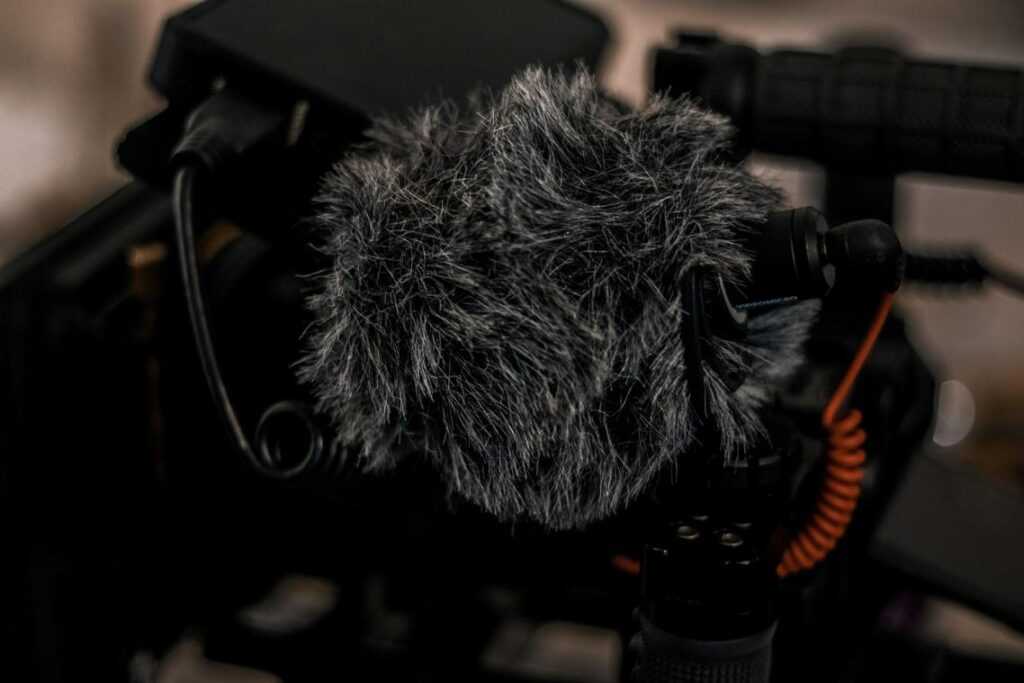
Audio Is King
Audio is king because viewers will tolerate average visuals—but they will not tolerate bad sound. “Clipping” (when audio peaks and distorts) and “background noise” (unwanted hums or fans) instantly scream amateur.
- USB mics: Plug-and-play, affordable, beginner-friendly.
- XLR mics: Require an audio interface but deliver richer, cleaner sound and upgrade flexibility.
I once chose a cheap USB mic in an untreated room. The echo was brutal. Basic acoustic treatment—foam panels, carpets, even curtains—reduces “reverb” (sound bouncing off walls). Pro tip: Record a test clip and listen with headphones before every session.
Video Capture
Software like OBS or ShadowPlay captures gameplay directly from your PC. It’s free and powerful. But if you’re gaming on a console or second PC, you’ll need a capture card—a hardware device that transfers video to your recording system.
I skipped the capture card once. The workaround lag nearly ruined a tournament recording.
Lighting & Camera
The “pro look” comes from three-point lighting:
- Key light (main source)
- Fill light (softens shadows)
- Back light (separates you from background)
Webcams are budget-friendly. Mirrorless cameras offer sharper image quality and depth of field (that blurred background effect seen in every streamer’s setup tour).
Software Stack
- DaVinci Resolve: Free, powerful color grading.
- Premiere Pro: Industry standard, subscription-based.
- Photopea or Photoshop: Thumbnail design.
- Audio plugins: Noise gates, compressors, EQ.
My biggest mistake? Thinking gear didn’t matter. It does—but only when paired with skill.
Phase 3: Engineering a High-Impact Content Strategy
If you want consistent growth (not just one viral spike), you need a system. That’s where the Three-Pillar Content Model comes in—a balanced approach that builds authority, relevance, and community at the same time.
Pillar 1: Evergreen Tutorials
Evergreen content means videos that stay valuable long after publishing. Think: “Ultimate Guide to Apex Legends Settings for Max FPS” or “How to Optimize Your Streaming Rig in 2024.”
These videos:
- Rank in search over time
- Build credibility
- Generate passive views for months (sometimes years)
For example, a guide on mastering keyboard and mouse settings for competitive play should link naturally to mastering keyboard and mouse settings for competitive play to deepen viewer value and session time.
The benefit? Compounding traffic. One great tutorial can quietly outperform five trend-based uploads.
Pillar 2: Topical Gameplay
Topical content focuses on what’s happening right now—new agents, balance patches, tournament metas.
Examples:
- “Analyzing the New Valorant Agent”
- “Patch 14.5 Meta Strategy Breakdown”
This drives immediate spikes in visibility. It positions you as current and informed (the gaming equivalent of breaking news).
Pillar 3: Community Content
Community-driven videos—like Viewer VOD Reviews or building PCs from fan submissions—turn passive viewers into loyal supporters.
That loyalty translates into:
- Higher watch time
- Stronger retention
- More returning subscribers
If you want to start a gaming channel, this structure removes guesswork.
Production Workflow
- Idea validation (search demand + trend timing)
- Script or bullet outline
- Record efficiently
- Edit for clarity and pacing
- Optimize title, thumbnail, and description
The result? Sustainable growth, stronger authority, and content that works for you—even when you’re offline.
Phase 4: Optimizing for Growth and Authority
The algorithm is a system. Treat YouTube SEO like debugging a high-end gaming rig: identify inputs, optimize variables, test outputs. In competitive niches like Valorant VOD reviews or Unreal Engine mod tutorials, metadata precision matters. You are engineering discoverability, not hoping for it.
Title Hacking follows a simple formula: [Keyword/Problem] + [Benefit/Outcome]. For example: “Warzone FPS Drops + Fix Stutter on RTX 4060.” Some argue clickbait works better. Short term? Maybe. Long term, search-driven titles compound authority because they match intent (YouTube Creator Insider confirms metadata alignment impacts discovery).
Thumbnail Science is psychology. High contrast. One focal point. Minimal text. Think bold color blocking like MrBeast, but adapted for niche clarity—clear rank badges, FPS counters, or patch numbers. (If viewers need a magnifying glass, you’ve lost.)
Description & Tags build topical authority. Use the first two lines for primary keywords, then timestamps, Discord links, and related tutorials. Tags reinforce context—engine versions, patch cycles, GPU models. Pro tip: mirror terminology from Reddit threads in r/buildapc or r/YouTubeGaming.
For initial traction, don’t spam. When you start a gaming channel, share strategically in relevant Discord servers, subreddit feedback threads, or local LAN community groups. Authority grows where relevance already lives.
Level Up and Launch
You came here to figure out exactly how to start a gaming channel the right way — without wasting time, burning money on the wrong gear, or getting lost in an oversaturated market. Now you understand the strategies, tools, optimization hacks, and gameplay positioning that separate casual uploaders from serious creators.
The biggest frustration for new creators isn’t talent — it’s not knowing where to focus. Poor setup, weak branding, low-performance rigs, and inconsistent strategy stop most channels before they ever gain traction. But now you have a clear path forward.
Action creates momentum. Take what you’ve learned and apply it immediately: optimize your gaming rig, define your niche, refine your on-screen presence, and commit to a consistent publishing framework. The faster you execute, the faster you grow.
If you’re serious about building a high-performance channel, don’t guess your way through it. Get proven gaming strategies, elite-level optimization guides, and battle-tested growth frameworks trusted by competitive players and ambitious creators worldwide. Tap into the tools, sharpen your setup, and start building your channel like a pro today.
 Gaming Rig Optimization & Tech Innovation Specialist
There is a specific skill involved in explaining something clearly — one that is completely separate from actually knowing the subject. Joana Dillardoniel has both. They has spent years working with tech-powered gaming innovations in a hands-on capacity, and an equal amount of time figuring out how to translate that experience into writing that people with different backgrounds can actually absorb and use.
Joana tends to approach complex subjects — Tech-Powered Gaming Innovations, Expert Tutorials, World-Class eSports Frameworks being good examples — by starting with what the reader already knows, then building outward from there rather than dropping them in the deep end. It sounds like a small thing. In practice it makes a significant difference in whether someone finishes the article or abandons it halfway through. They is also good at knowing when to stop — a surprisingly underrated skill. Some writers bury useful information under so many caveats and qualifications that the point disappears. Joana knows where the point is and gets there without too many detours.
The practical effect of all this is that people who read Joana's work tend to come away actually capable of doing something with it. Not just vaguely informed — actually capable. For a writer working in tech-powered gaming innovations, that is probably the best possible outcome, and it's the standard Joana holds they's own work to.
Gaming Rig Optimization & Tech Innovation Specialist
There is a specific skill involved in explaining something clearly — one that is completely separate from actually knowing the subject. Joana Dillardoniel has both. They has spent years working with tech-powered gaming innovations in a hands-on capacity, and an equal amount of time figuring out how to translate that experience into writing that people with different backgrounds can actually absorb and use.
Joana tends to approach complex subjects — Tech-Powered Gaming Innovations, Expert Tutorials, World-Class eSports Frameworks being good examples — by starting with what the reader already knows, then building outward from there rather than dropping them in the deep end. It sounds like a small thing. In practice it makes a significant difference in whether someone finishes the article or abandons it halfway through. They is also good at knowing when to stop — a surprisingly underrated skill. Some writers bury useful information under so many caveats and qualifications that the point disappears. Joana knows where the point is and gets there without too many detours.
The practical effect of all this is that people who read Joana's work tend to come away actually capable of doing something with it. Not just vaguely informed — actually capable. For a writer working in tech-powered gaming innovations, that is probably the best possible outcome, and it's the standard Joana holds they's own work to.